
10 Best Home Workouts for Beginners (No Equipment Full-Body Routine)
Are you prepared to change the course of your fitness journey but unsure of where to begin? Don’t search any farther! These beginner at-home workouts are made especially for you and provide efficient full-body exercises that you can perform in the comfort of your living room without the need for any equipment. It can be intimidating to begin exercising, particularly if you’re new to fitness or don’t have easy access to a gym. The good news is that you can increase your cardiovascular health, strength, and general well-being without expensive memberships or fancy equipment. Your body weight, a little room, and the desire to move are all you need.
This thorough guide will walk you through ten of the best exercises for beginners, explain why they work so well, and assist you in creating a full-body regimen that works with your schedule. To make sure you have everything you need for success, we’ll also go over crucial warm-up and cool-down stretches, offer advice on maintaining motivation, and respond to some commonly asked questions.
Table of Contents
- Introduction to Beginner Home Workouts
- Benefits of No-Equipment Full-Body Workouts
- Warming Up: Preparing Your Body for Movement
- The 10 Best Beginner Home Workouts (No Equipment)
- Squats
- Push-ups (Modified)
- Lunges
- Plank
- Glute Bridges
- Bird-Dog
- Crunches
- Leg Raises
- Calf Raises
- Wall Sit
- Crafting Your Full-Body Beginner Home Workout Routine
- Cooling Down: Essential Stretches
- Tips for Staying Motivated
- Frequently Asked Questions
- Conclusion
Introduction to Beginner Home Workouts
Embarking on a fitness journey is a fantastic decision, and choosing beginner home workouts is an excellent starting point. The convenience of exercising at home eliminates common barriers like travel time, gym intimidation, and cost. This approach empowers you to take control of your health on your own terms, making fitness more accessible and sustainable. Whether you’re aiming to increase strength, improve endurance, or simply feel better in your own skin, these no-equipment exercises lay a solid foundation.
Benefits of No-Equipment Full-Body Workouts
There are numerous advantages to incorporating beginner home workouts into your routine:
- Convenience: Work out anytime, anywhere, without needing to commute to a gym. This flexibility is perfect for busy schedules.
- Cost-Effective: No gym membership fees, no expensive equipment purchases. Your body is your gym!
- Privacy: Some people feel more comfortable working out in the privacy of their own home, especially when starting out.
- Full-Body Engagement: These routines are designed to work multiple muscle groups simultaneously, ensuring balanced development and efficient use of your time.
- Improved Functional Strength: Bodyweight exercises mimic movements we perform in daily life, enhancing your practical strength and mobility.
- Reduced Risk of Injury: Focusing on proper form with bodyweight exercises can help build foundational strength before potentially adding external resistance.
Warming Up: Preparing Your Body for Movement
Before diving into your beginner home workouts, a proper warm-up is crucial. A warm-up increases your heart rate, gets blood flowing to your muscles, and prepares your joints for movement, significantly reducing the risk of injury. Aim for 5-10 minutes of light activity.
Here are some effective warm-up exercises:
- Jumping Jacks (Modified): If full jumping jacks are too much, step one foot out at a time.
- Arm Circles: Forward and backward.
- Leg Swings: Forward and backward, side to side.
- Torso Twists: Gently rotate your upper body.
- Marching in Place: Simple and effective to get your heart rate up.
The 10 Best Beginner Home Workouts (No Equipment)
These exercises form the core of effective beginner home workouts. Focus on mastering the form for each before increasing repetitions or sets.
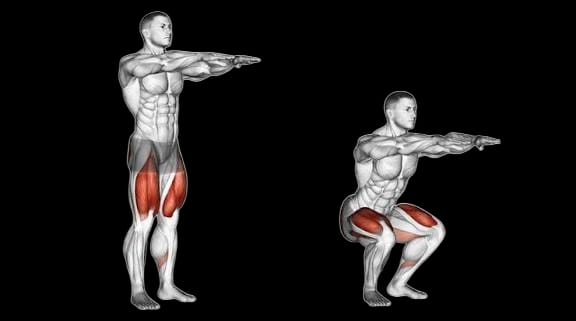
Squats
Squats are a powerhouse exercise, targeting your glutes, quadriceps, and hamstrings. They are fundamental for building lower body strength and improving mobility.
- How to do it: Stand with your feet shoulder-width apart, toes pointing slightly outward. Keep your chest up and core engaged. Lower your hips as if sitting into a chair, ensuring your knees track in line with your toes. Go as low as comfortable, ideally until your thighs are parallel to the floor. Push through your heels to return to the starting position.
- Why it’s great for beginners: Squats are a natural movement pattern, making them accessible. They build foundational strength for many other exercises.
Push-ups (Modified)
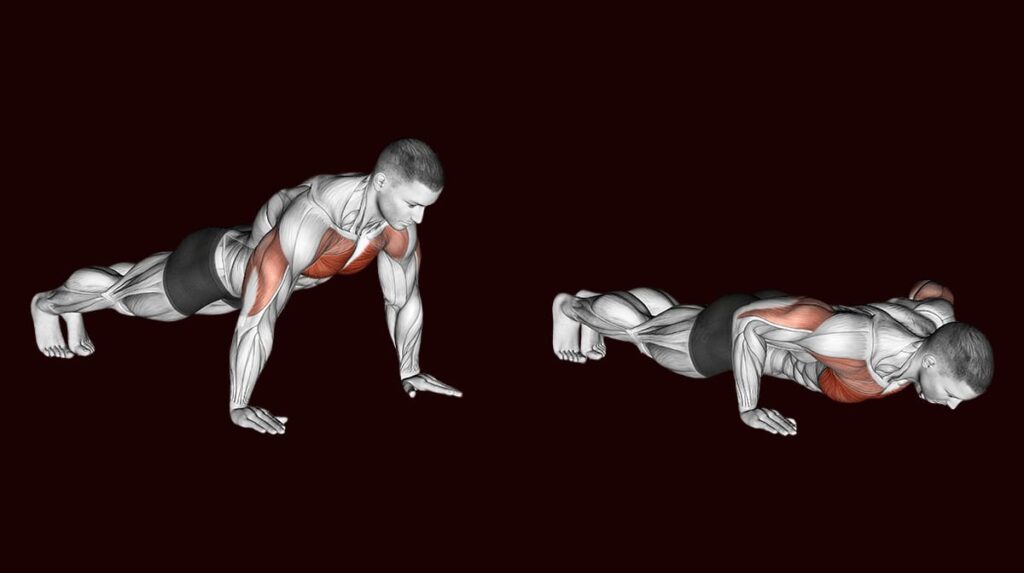
Push-ups are excellent for strengthening your chest, shoulders, and triceps, as well as engaging your core. Starting with modified push-ups allows you to build strength gradually.
- How to do it: Begin on your hands and knees, with your hands slightly wider than shoulder-width apart. Lower your chest towards the floor, keeping your back straight and core tight. Push back up to the starting position. For a more challenging modification, try push-ups on your knees.
- Why it’s great for beginners: They build upper body strength without heavy weights and can be easily adjusted to your current fitness level.
Lunges
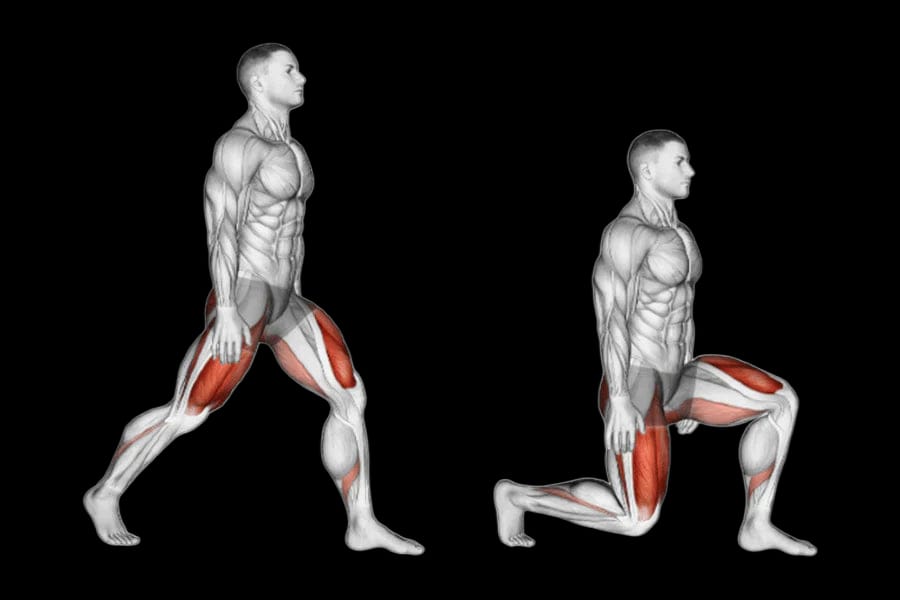
Lunges are another fantastic lower-body exercise that works each leg independently, improving balance and targeting the glutes, quads, and hamstrings.
- How to do it: Stand with your feet hip-width apart. Step forward with one leg, lowering your hips until both knees are bent at approximately a 90-degree angle. Ensure your front knee is directly above your ankle and your back knee hovers just above the floor. Push off your front foot to return to the starting position and alternate legs.
- Why it’s great for beginners: They improve unilateral strength and stability, crucial for daily activities.
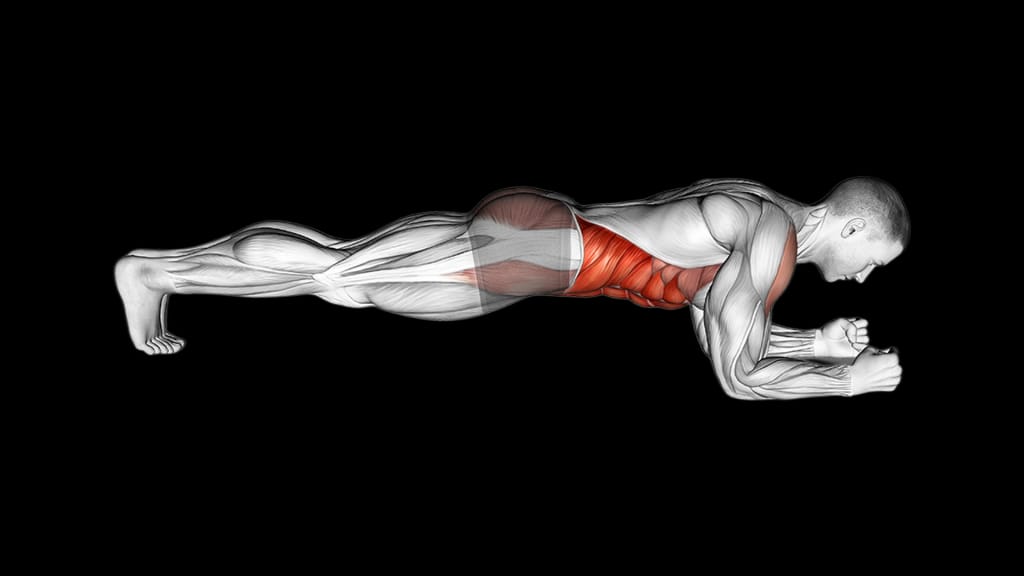
Plank
The plank is an incredible full-body isometric exercise that primarily targets your core, but also engages your shoulders, arms, and glutes.
- How to do it: Start in a push-up position, but rest on your forearms instead of your hands. Keep your body in a straight line from head to heels, engaging your core and glutes. Avoid letting your hips sag or rise too high. Hold this position for as long as you can maintain good form.
- Why it’s great for beginners: Excellent for core strength development without dynamic movement, reducing stress on joints.
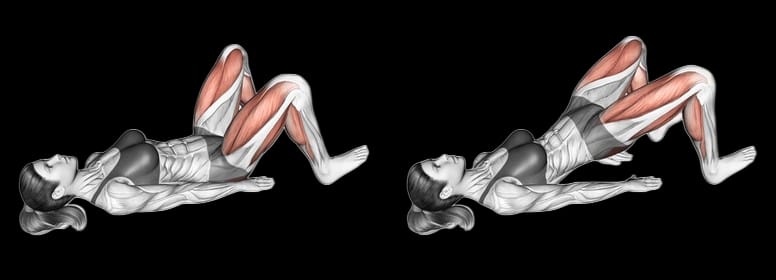
Glute Bridges
Glute bridges are a superb exercise for strengthening your glutes and hamstrings, helping to improve posture and alleviate lower back pain.
- How to do it: Lie on your back with your knees bent and feet flat on the floor, hip-width apart. Your heels should be a few inches from your glutes. Engage your core and glutes, and lift your hips off the floor until your body forms a straight line from your shoulders to your knees. Hold briefly, then slowly lower your hips back down.
- Why it’s great for beginners: Activates the glutes effectively without putting strain on the lower back.
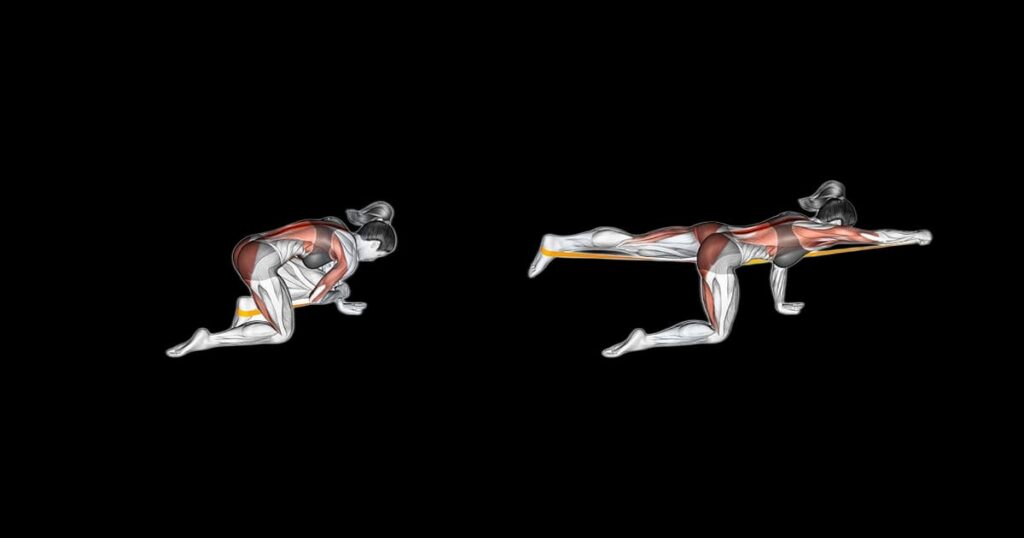
Bird-Dog
The bird-dog is a gentle yet effective core exercise that improves stability, balance, and coordination, also strengthening the lower back.
- How to do it: Start on your hands and knees, with your hands directly under your shoulders and knees under your hips. Keep your back flat and core engaged. Simultaneously extend one arm straight forward and the opposite leg straight back, keeping them parallel to the floor. Hold for a moment, then return to the starting position and switch sides.
- Why it’s great for beginners: Excellent for developing core stability and improving spinal health.
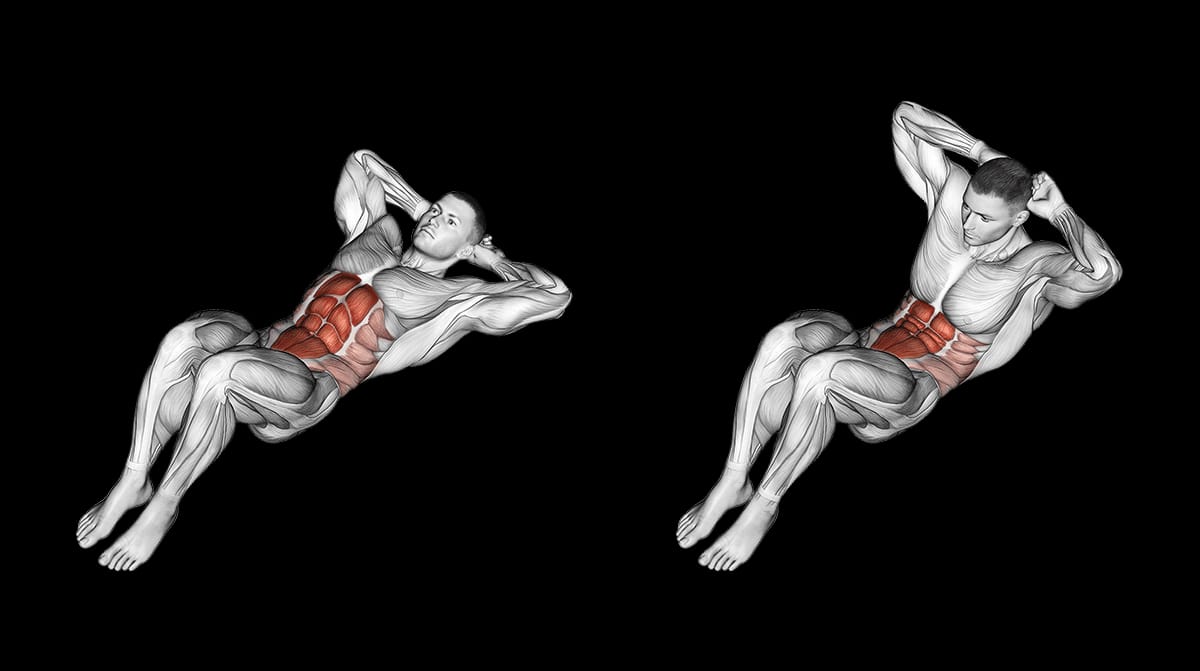
Crunches
Crunches are a classic abdominal exercise that targets the rectus abdominis, helping to strengthen your “six-pack” muscles.
- How to do it: Lie on your back with your knees bent and feet flat on the floor. Place your hands lightly behind your head or across your chest. Engage your abs and lift your head and shoulders off the floor, bringing your rib cage towards your pelvis. Control the movement as you lower back down.
- Why it’s great for beginners: A fundamental exercise for abdominal strength, easy to perform at home.
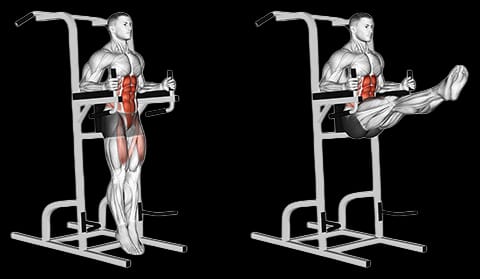
Leg Raises
Leg raises are another effective exercise for the lower abdominal muscles, helping to build core strength and definition.
- How to do it: Lie on your back with your legs straight and hands either at your sides or tucked slightly under your lower back for support. Keeping your legs straight, slowly lift them towards the ceiling until your hips begin to lift off the floor. Slowly lower them back down, stopping just before they touch the floor.
- Why it’s great for beginners: Targets the lower abs, which are often overlooked in core routines.
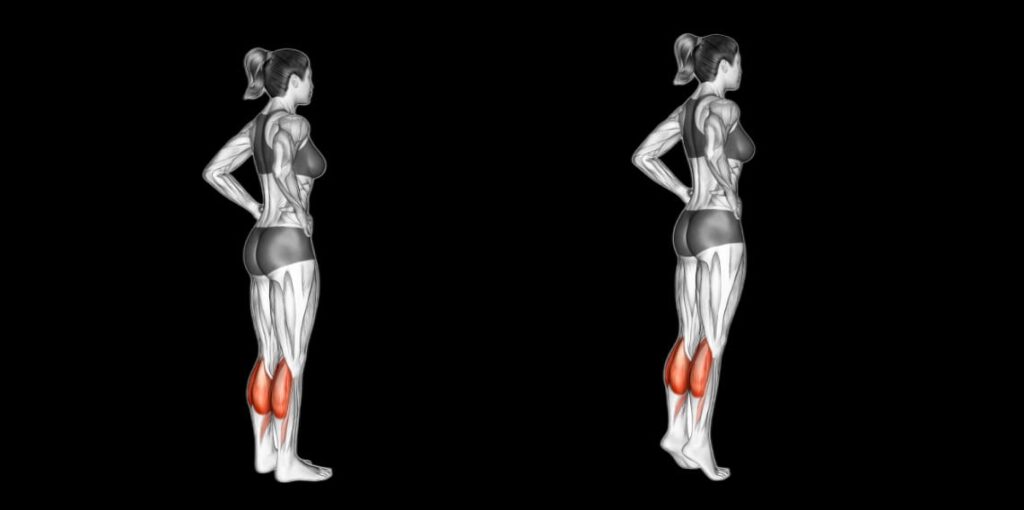
Calf Raises
Calf raises are a simple yet effective way to strengthen your calf muscles, which are important for walking, running, and jumping.
- How to do it: Stand with your feet hip-width apart. You can hold onto a wall or chair for balance if needed. Slowly raise yourself up onto the balls of your feet, lifting your heels as high as possible. Hold briefly, then slowly lower your heels back down.
- Why it’s great for beginners: Easy to perform anywhere and strengthens an often-neglected muscle group.
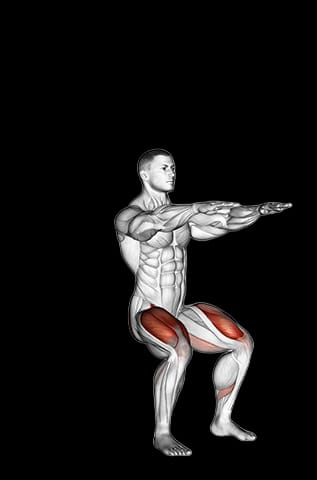
Wall Sit
The wall sit is an isometric exercise that builds incredible endurance in your quadriceps, glutes, and calves.
- How to do it: Stand with your back flat against a wall. Slide down until your knees are bent at a 90-degree angle, as if you are sitting in an invisible chair. Ensure your thighs are parallel to the floor and your knees are directly above your ankles. Hold this position for as long as you can.
- Why it’s great for beginners: Builds muscular endurance and strength without dynamic movement, reducing impact.
Crafting Your Full-Body Beginner Home Workout Routine
Now that you know the best exercises, let’s put together an effective routine for your beginner home workouts. A good starting point is to perform 2-3 sets of 10-15 repetitions for each exercise, or hold isometric exercises (like plank and wall sit) for 30-60 seconds. Rest for 60-90 seconds between sets. Aim to work out 3-4 times a week, allowing for rest days in between.
Sample Full-Body Beginner Home Workout Routine:
- Warm-up: 5-10 minutes (Jumping Jacks, Arm Circles, Leg Swings)
- Squats: 3 sets of 12-15 reps
- Modified Push-ups: 3 sets of 8-12 reps
- Lunges: 3 sets of 10-12 reps per leg
- Plank: 3 sets, hold for 30-60 seconds
- Glute Bridges: 3 sets of 15-20 reps
- Bird-Dog: 3 sets of 10-12 reps per side
- Crunches: 3 sets of 15-20 reps
- Leg Raises: 3 sets of 12-15 reps
- Calf Raises: 3 sets of 15-20 reps
- Wall Sit: 3 sets, hold for 30-60 seconds
- Cool-down: 5-10 minutes (Stretches)
Remember, consistency is key. Even short, consistent workouts are more effective than sporadic intense sessions. For more ideas on structuring your workouts, you can explore resources like Nerd Fitness’s beginner bodyweight workout.
Cooling Down: Essential Stretches
Just as important as warming up is cooling down. A cool-down helps to gradually lower your heart rate, reduce muscle soreness, and improve flexibility. Dedicate 5-10 minutes to static stretching after your beginner home workouts. Hold each stretch for 20-30 seconds.
Here are some effective cool-down stretches:
- Quad Stretch: Stand and grab one ankle, pulling your heel towards your glute.
- Hamstring Stretch: Sit with one leg extended, reach for your toes.
- Chest Stretch: Stand in a doorway, place forearms on the frame, and lean forward.
- Triceps Stretch: Reach one arm overhead, bend at the elbow, and gently pull the elbow with your other hand.
- Figure-Four Stretch: Lie on your back, cross one ankle over the opposite knee, and pull the thigh towards your chest.
You can find excellent visual guides for these and other stretches on websites like Mayo Clinic’s guide to stretching.
Tips for Staying Motivated
Maintaining motivation can be challenging, but these tips can help you stick to your beginner home workouts:
- Set Realistic Goals: Start small and celebrate every achievement.
- Track Your Progress: Keep a journal or use an app to record your workouts, reps, and hold times. Seeing your improvement is a huge motivator.
- Find an Accountability Partner: Work out with a friend or family member, or share your goals with someone who can support you.
- Vary Your Routine: While this guide focuses on core exercises, once you’re comfortable, feel free to explore different bodyweight exercises to keep things fresh. Our internal guide on “Advanced Bodyweight Routines” might be useful later.
- Listen to Music or Podcasts: Distraction can make workouts more enjoyable.
- Reward Yourself: Not with food, but perhaps with new workout gear, a relaxing bath, or some guilt-free screen time.
- Prioritize Consistency Over Intensity: Showing up is more important than having a perfect workout every time.
Frequently Asked Questions
Q: How often should I do these beginner home workouts?
A: Aim for 3-4 times per week, allowing for a rest day in between to allow your muscles to recover and rebuild.
Q: What if I can’t do a full push-up?
A: That’s perfectly normal for beginners! Start with modified push-ups on your knees or against a wall. As you get stronger, you’ll gradually be able to progress to full push-ups.
Q: Do I need any equipment at all?
A: No, these are true no-equipment beginner home workouts. You might find a yoga mat comfortable for floor exercises, but it’s not strictly necessary.
Q: How long should each workout session be?
A: Including warm-up and cool-down, a full-body routine typically takes between 30-45 minutes. You can adjust the number of sets and reps based on your time and fitness level.
Q: Can I lose weight with just bodyweight exercises?
A: Yes, absolutely! When combined with a healthy diet, regular bodyweight exercises can help you burn calories, build muscle (which boosts metabolism), and contribute significantly to weight loss.
Q: How do I make these exercises harder as I get stronger?
A: Once you’ve mastered the basic form, you can increase the challenge by:
* Doing more repetitions or sets.
* Decreasing rest time between sets.
* Holding isometric exercises longer.
* Adding plyometric elements (e.g., jump squats instead of regular squats).
* Progressing to harder variations (e.g., knee push-ups to full push-ups).
Conclusion
Embarking on your fitness journey with beginner home workouts is an empowering and sustainable way to achieve your health goals. With no equipment required, these full-body routines eliminate common barriers and provide a flexible path to a stronger, healthier you. Remember to warm up, focus on proper form, cool down, and most importantly, be consistent. Your journey begins now – one squat, one plank, one lunge at a time. Commit to yourself, celebrate your progress, and enjoy the incredible benefits of moving your body from the comfort of your own home. You’ve got this!