
Muscle Imbalance: Causes, Risks and How to Remedy It Effectively.
One of the most neglected problems of fitness training is muscle imbalance. Most individuals exercise diligently, use heavier weights, and have a workout regimen- and even then they still have poor posture, lack of progress or suffer frequent injuries. Lack of effort in most instances is neither the cause, nor the result, but muscle imbalance.
Early detection and correction of muscle imbalance can largely enhance strength, beauty as well as long term health of the joints.https://link.amazon/B0brwQmUX

What Is Muscle Imbalance?
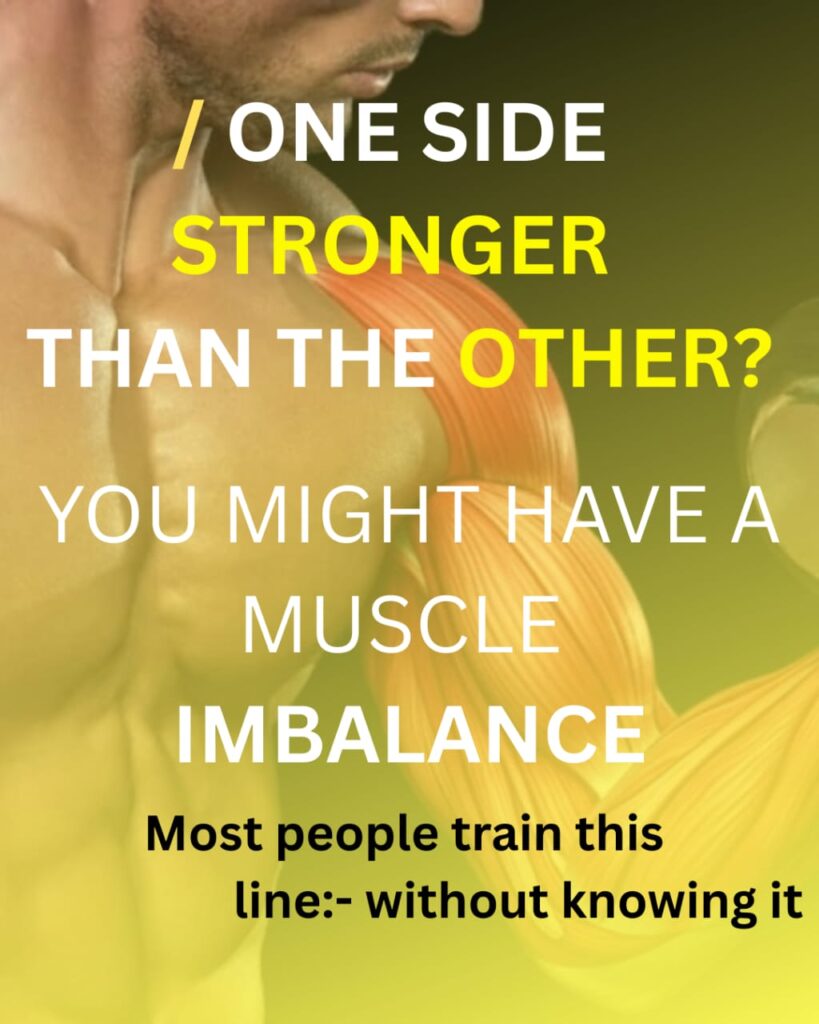
Muscle imbalance happens when one or one side of the body is stronger, tighter or more dominant than the other one or the other muscle.
For example:
One stronger arm than the other.
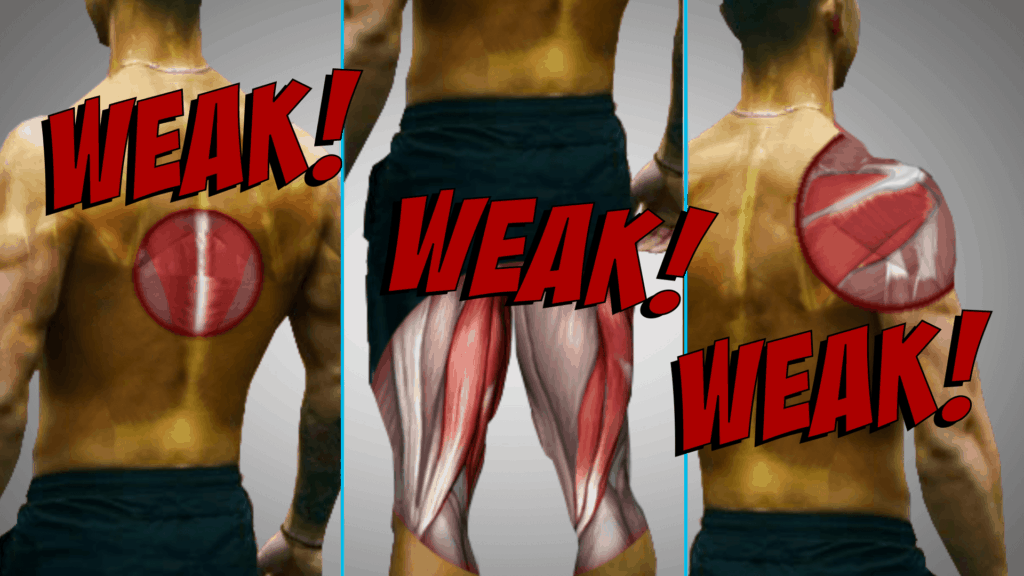
The top back muscles are being dominated by the chest muscles.
Dominating hamstring muscles by the quadriceps.https://link.amazon/B0dNoYUHG
Such imbalance interferes with the usual movement patterns and obliges the body to balance it, which leads to pain and injury risks.
Common Causes of Muscle Imbalance
1. Training One Side More Than the Other
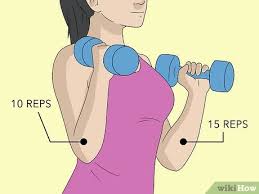
People naturally favor their dominant side during exercises like presses, rows, and curls. Over time, this leads to noticeable strength and size differences.
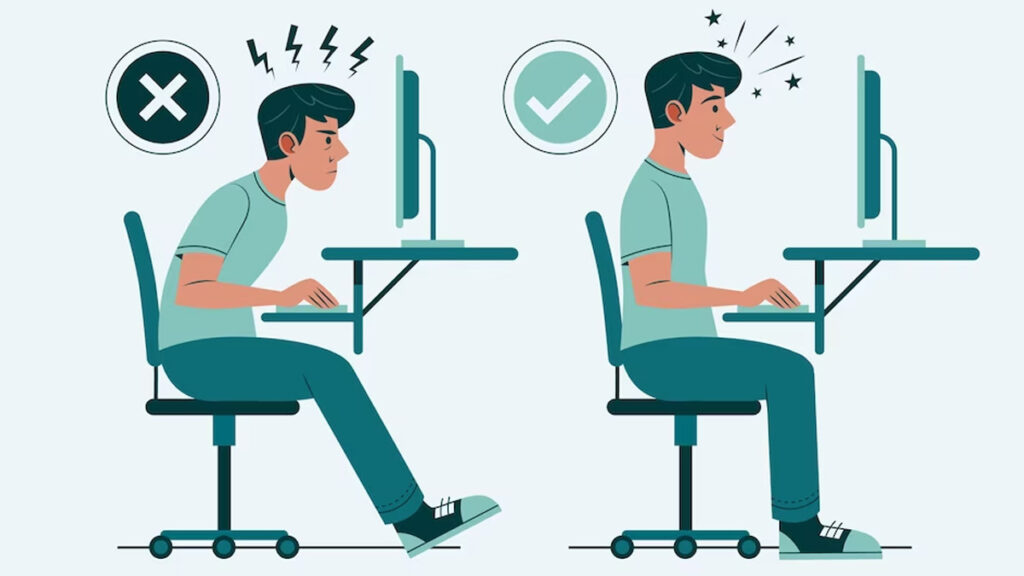
2. Poor Posture and Sedentary Lifestyle
Long hours of sitting, mobile phone use, and desk jobs can tighten chest and hip muscles while weakening the upper back and core.
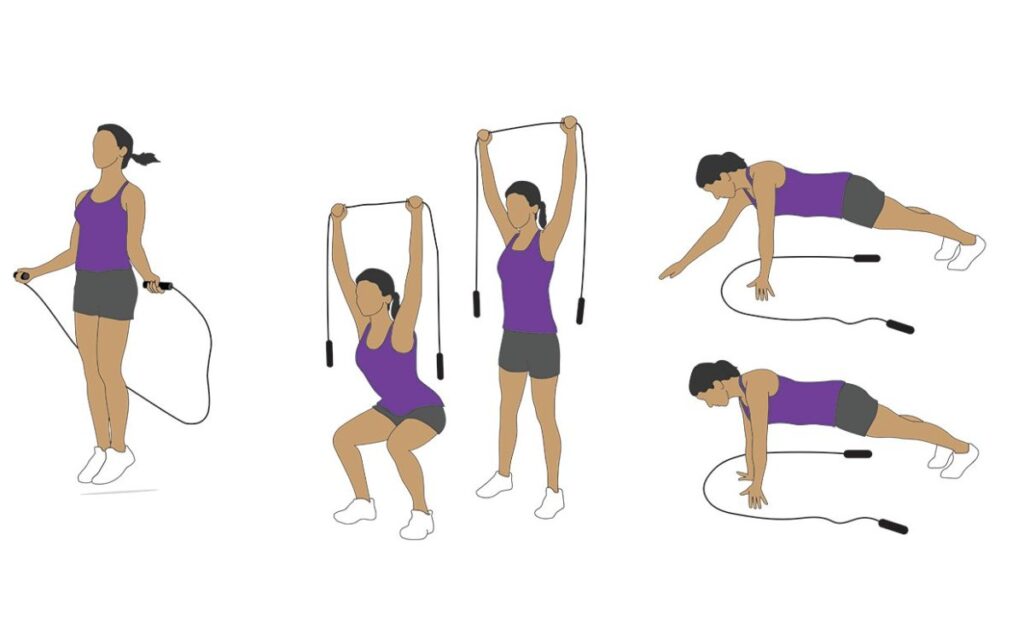
3. Skipping Unilateral Exercises
Relying only on barbell and machine exercises allows the stronger side to compensate for the weaker one, hiding imbalances rather than fixing them.
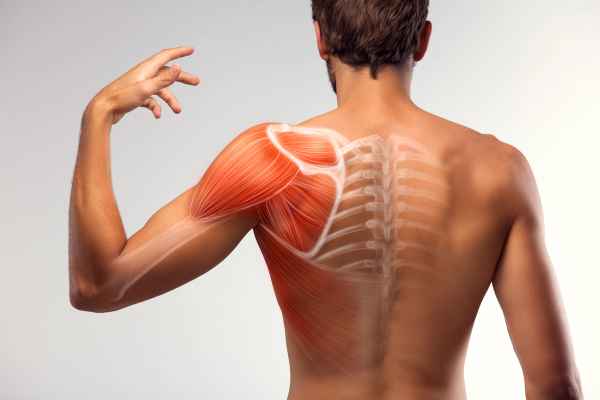
4. Weak Stabilizer Muscles
Small stabilizing muscles around joints (shoulders, hips, core) often remain undertrained, leading to inefficient movement and compensation.
5. Past Injuries and Compensation Patterns
After an injury, the body instinctively shifts load away from the affected area. If not corrected, this compensation becomes permanent.
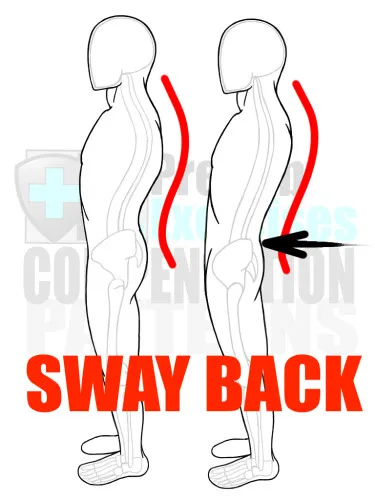
Common Muscle Imbalances Seen in Training
- Chest stronger than upper back → Rounded shoulders
- Quads stronger than hamstrings → Knee pain
- Right side stronger than left → Asymmetrical physique
- Weak core muscles → Lower back pain
- Biceps overpowering triceps → Arm imbalance
Why Muscle Imbalance Is a Serious Problem
Ignoring muscle imbalance can lead to:
- Reduced strength gains
- Poor exercise technique
- Increased joint stress
- Chronic pain
- Higher risk of injuries
- Plateaus in muscle growth
Balanced muscles are not just about appearance—they are essential for performance and longevity.
How to Correct Muscle Imbalance
1. Include Unilateral Exercises
Unilateral exercises work one limb (arm or leg) at a time, challenging stability and correcting imbalances by forcing each side to work independently Exercises like single-arm dumbbell presses, single-leg squats, and lunges help each side work independently.
2. Train the Weaker Side First
Always begin sets with the weaker side and match the same reps and weight on the stronger
3. Improve Mobility and Flexibility
Stretch tight muscles and work on joint mobility to restore natural movement patterns.
4. Strengthen Opposing Muscles
Balance push exercises with pull movements and ensure antagonist muscles are trained equally.
5. Focus on Mind–Muscle Connection
Controlled movements and proper form ensure the correct muscles are doing the work.
Pro Training Tip
Never let your stronger side decide the weight or reps.
Your weaker side should always set the standard for balanced progress.
Final Thoughts
Imbalance in muscles is a not unusual fact-but it can be corrected absolutely, given the correct attitude. Smart training, rather than hard training will allow you to have a stronger, more symmetrical and injury free body.
In case you are training with the long-term objectives of becoming fit, strong, and attractive, then you should prioritize muscle imbalance correction in your training regimen.
Want more science-based fitness insights?
Follow us and explore more educational content on training, nutrition, and injury prevention